At the time of writing this article, ADEPTICON 2024 is fast approaching. A massive miniature wargaming convention in the United States, it brings players and hobbyists from all over the world together for a multi-day gaming event. ADEPTICON is also quickly becoming the “go-to” event for Blood & Plunder and Oak & Iron players. This year the Blood & Pigment staff and Firelock Games Quartermaster crew are hosting 5 different tournaments at the convention for 3 different game systems (Blood & Plunder, Oak & Iron, and Blood & Valor).
In this article, we’ll cover some of our top suggestions for prepping a miniature wargaming tournament. These tips focus on the broad spectrum of wargaming and specific games as well. As we are dedicated to the Blood & Plunder miniatures game, some content will be more specific to that, but the majority of things apply to all gamers in any game system.
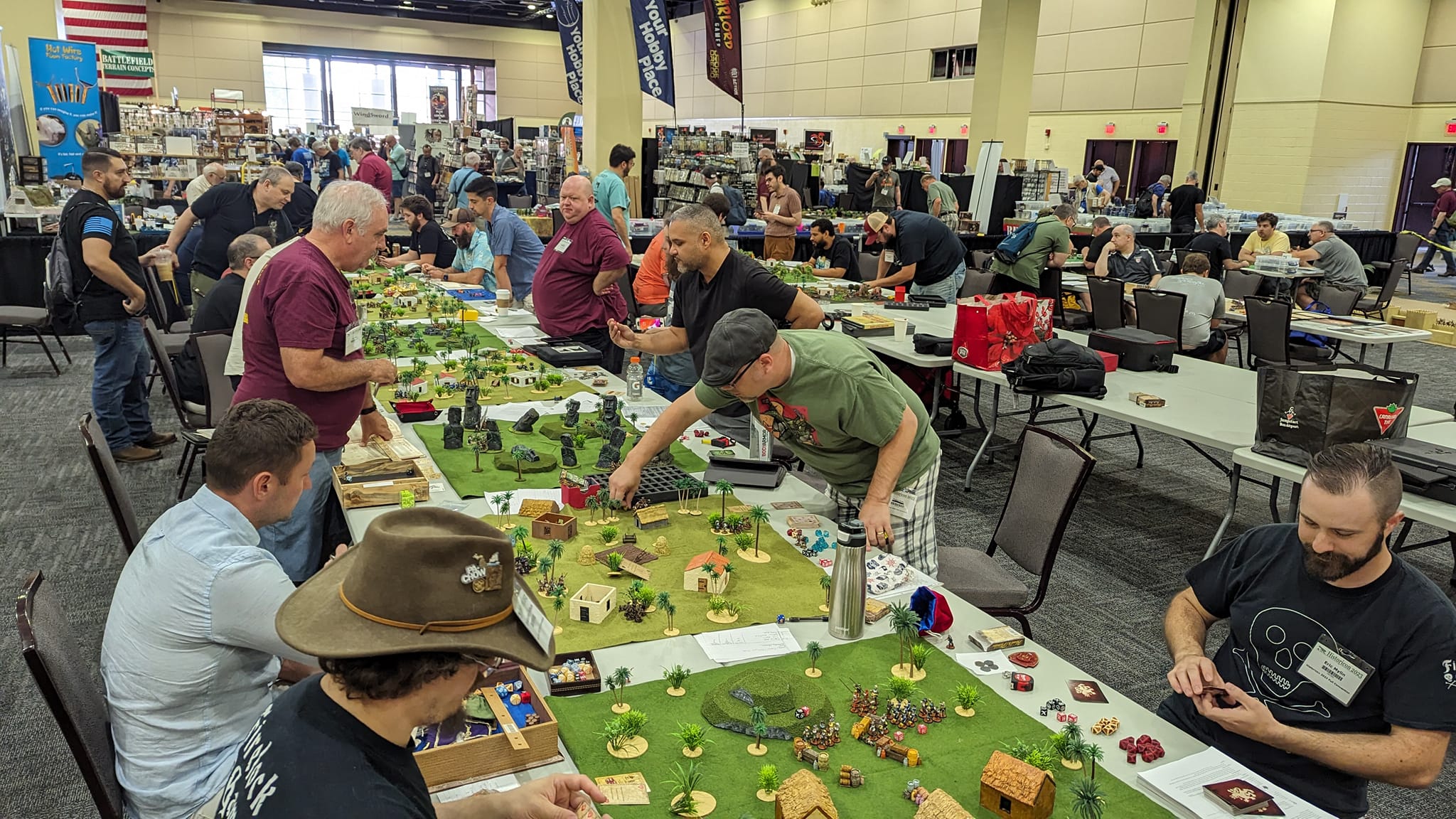
Tip #1. Find and Read the Tournament Pack.
A tournament pack is the list of the rules & regulations for the tournament typically published by the Tournament Organizer (T.O.). This packet is super vital for success and avoiding setbacks, delays, having to change your forces on game day or, heaven forbid, having to forfeit before the game begins.

Top things to look for on the Tournament Pack:
- What points value is the tournament?
- How many lists can I bring? Some allow multiple lists to tweak your forces between rounds.
- Are there any Faction, Leader or Character restrictions?
- What scenarios will be included? Scenarios and objectives can affect the needs of your force.
- Are there any painting requirements?
- Are there requirements for WYSIWG (What you see is what you get)?
Some competitive tournaments require your minis to be equipped with EXACTLY what they are using. Most Blood & Plunder Tournaments are relatively laid back so if you get “close” that’s typically good enough. But having your musket forces with muskets and pistols with pistols is a courtesy to your opponent. But do 100% of your minis have to be perfectly accurate? Unlikely. - Are there any extra rules or special rules to consider? Limitations by the time period or rulebook expansions.
- How does the scoring work? Simply winning isn’t enough. Most tournaments take Strike Points into play to determine the tiers and ranking. You want to inflict as many Strike Points as possible and receive as few as possible for your own forces. This is something to consider in force creation. Highly specialized elite forces with fewer models can inflict more damage and earn Strike Points, but on the flip side, you can also suffer from higher Strike Points for casualties due to a lower model count. By contrast, higher model count armies can minimize the Strike Points you suffer because you have more models to absorb casualties.
Tip #2. Know Your Faction and Unit Special Rules
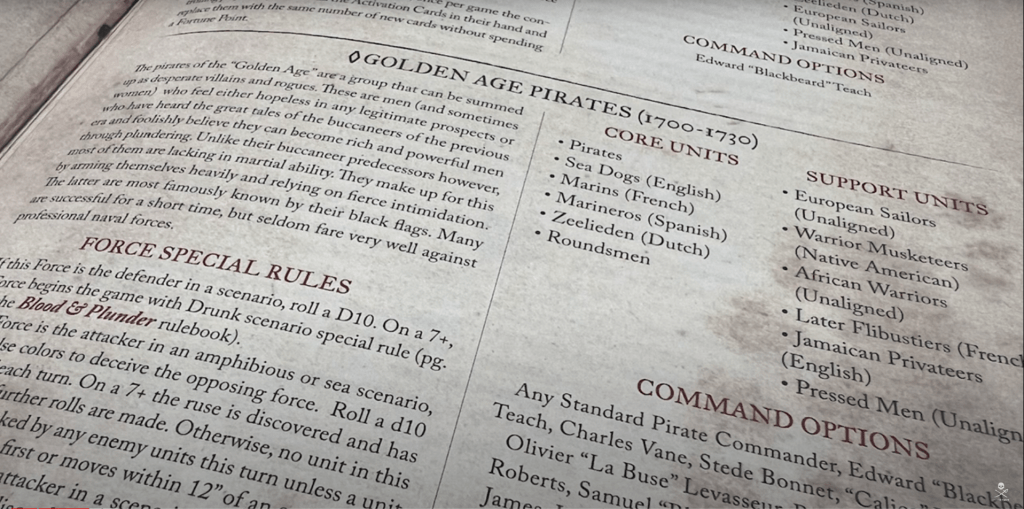
- Don’t forget the benefits you get from your Faction. Sometimes in the rush and excitement to play you forget your bonuses.
- Attacker or Defender matters! If you prefer to be the Attacker or Defender, your Faction bonus and Characters like Sharpeyed Lookout affect that opening roll. Scenario options sometimes favor the Attacker or Defender so plan according.
- Deployment wins games. Your abilities affect optimal strategic deployment: Knowing your Unit movement options affects your deployment. Keep in mind the models that need Cover. Figure out where your Units with Scouts, Elusive, Hidden, or similar abilities should deploy to make use of the terrain on the board.
- Know your Unit Experience levels. It affects the number of actions they will typically get and thus Command Points they can receive. Some people take too many special Characters or take all Veteran units and then can’t spend their bonus Command Actions.
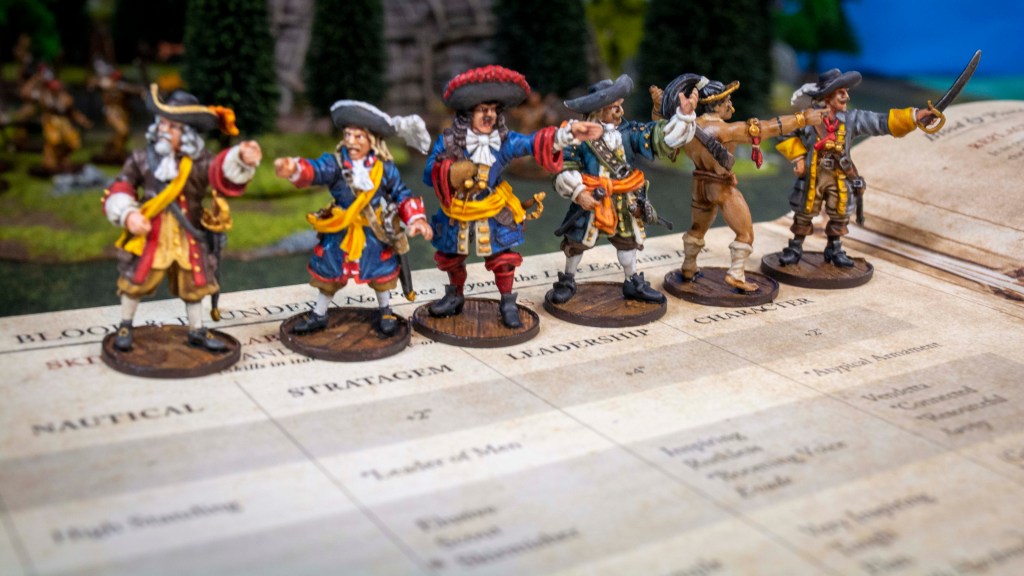
- Remember the synergy between units. Many unit types play well with others, especially with the right Characters. Keeping them near each other can create powerful combinations. Using bonus Rally and Reload actions between units can be helpful.
- Don’t forget Commander and Character abilities that affect units with Command Range. Sometimes new players separate units too far from their Commander and can’t give Command Points or get too far away for abilities like Inspiring to kick in.
- Fatigue Management greatly affects your model’s survivability. Don’t forget your abilities like Tough or Indomitable which kick in at the start or end of a round.
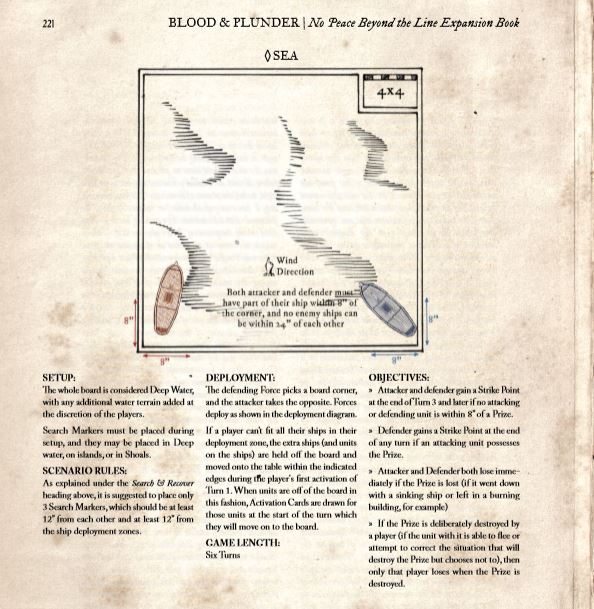
Tip #3. Practice With Your Force
Play your force at least once or twice BEFORE you get to the tournament (even if its a solo game). This will get you familiar with how your units, faction, command, and combined force play on the table. You can find your weaknesses and learn if there are things you want to tweak. Once the tournament starts, you can’t change your force.
If possible, practice against forces you’ve never played against (e.g. Natives). Natives tend to have a much smaller player base so if you encounter them for the first time at a tournament their differences in tactics can be baffling.
Expect the unexpected. Many times tournament players fall into the competitive lot and will try wild and crazy strategies or forces that are not the most historical in nature and are “weird” to play. Just do your best and don’t stress over it. And to be honest, many times these forces can be so over-optimized or specialized, they have a high chance of failure just because they are abnormal and “things didn’t go according to plan.”
Tip #4. Know Where You Need to Be at Game Time

If you’re playing at a gaming convention like GenCon, Adepticon, or Historicion, they can often be large sprawling affairs spanning multiple ballrooms and sometimes buildings.
- Find the tournament location on the convention map and if possible swing by before the event.
- Give yourself enough travel time between events.
- If the event starts at a specific time, get there early in case things fo sideways or something unplanned happens.
Tip #5. Preregister and Submit Your Forces Early
If the event allows preregistering and submitting your forces BEFORE the game this is a HUGE benefit for you and ESPECIALLY for the tournament organizers.
- Preregister! It reduces wait times and ensures a smoother check-in process on the tournament day. If can take a few minutes per player, if there are 10-20 players who wait till the last minute it causes delays.
- It helps event organizers plan and allocate resources more efficiently in terms of knowing how many tables to prep for game mats and terrain.
- Early registration helps guarantee your spot in the tournament, especially if there are participant limits.
- It minimizes the risk of errors or omissions when submitting forces closer to the event. This helps make sure your forces are legal and legit. If there is an issue at game time you may not have time to adjust your force properly.
- Contributes to a timely and punctual start for the tournament, enhancing the overall experience for ALL participants.
- It helps alleviate last-minute stress and ensures you can focus on your strategies and gameplay rather than filling out signup forms and possibly adjusting forces.
Tip #6. Make/Print a Cheat Sheet
This one may sound a little extreme, but some folks swear by it. If you have a specific strategy or abilities you forget regularly, putting together a list of items to remember during the round may be helpful. Reference your checklist or cheat sheet often.
If you have special abilities or nuanced rules that your force is reliant on, you may want to not the page numbers on the sheet to be able to look them up quickly.
Before the game, understand what your Win Conditions are and your opponent’s goal (since many times those are different). Add the scenario objectives to your sheet and make it a habit at the start of each turn to quickly review the winning conditions and see if you have the potential to reach them that turn.
For the “generic rules”, if your game has a Quick Reference Guide or Sheet, print it and have it with your force for easy reference. Paul Kingtiger has created the best Blood & Plunder Quick Reference sheet we’ve seen yet. He also has a much longer glossary tool that is worth printing or saving the link on your phone.
Tip #7. Reread the Rulebook & Errata

Everyone thinks they know how to play a game… until they play it competitively. Then invariably you will find you’ve been playing it wrong or blended rules between games and never noticed it with your local group.
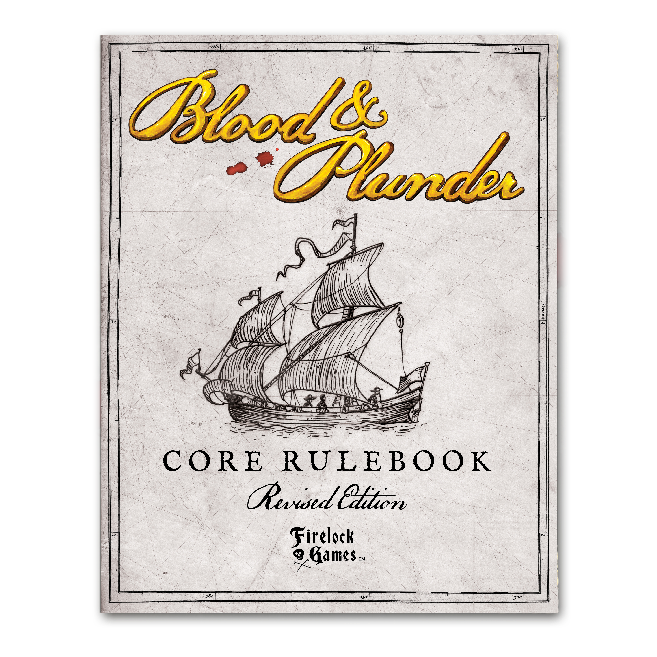
Reading the rulebooks periodically is paramount in miniature wargaming. It provides a foundational understanding of the game mechanics, ensuring fair play, strategic decision-making, and a more enjoyable experience for all participants. Familiarity with the rules cuts down on delays and having to find a reference in the books or getting a T.O. to resolve an issue.
It is also important to make sure you are familiar with the latest Errata for the game or your forces. Errata are the updates/rule changes that have released since the rulebooks were first published. You can get the latest errata from Firelock Games on the DLC page under the Blood & Plunder Section and Resources Subsection.
Tip #8. Prepare Your Miniature Transportation Plan
You’ve likely spent a large number of hours building and painting your minis. As such they are very precious cargo and you need to keep them safe while you travel. We have a few suggestions for how to prep your minis for transport.
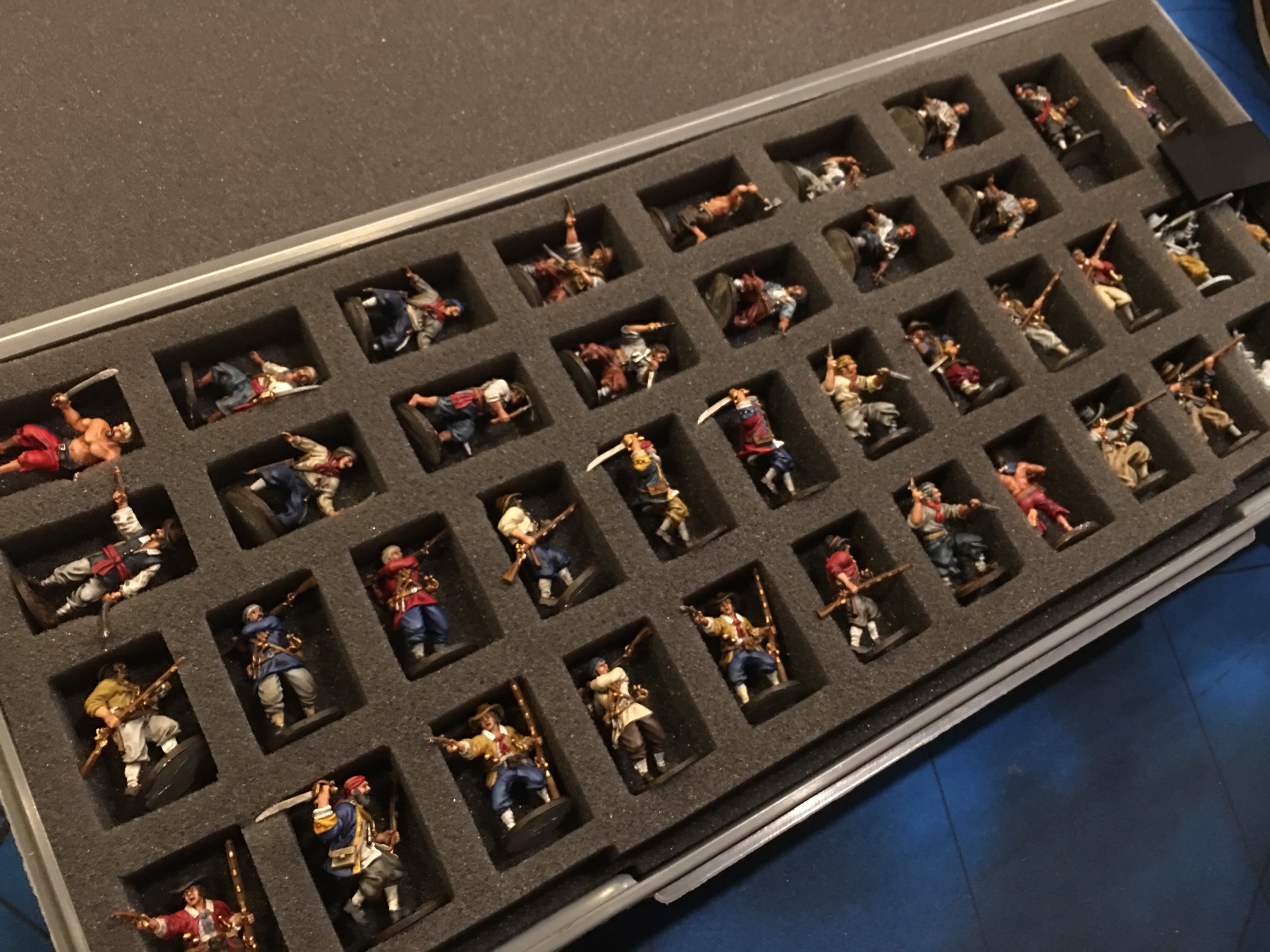
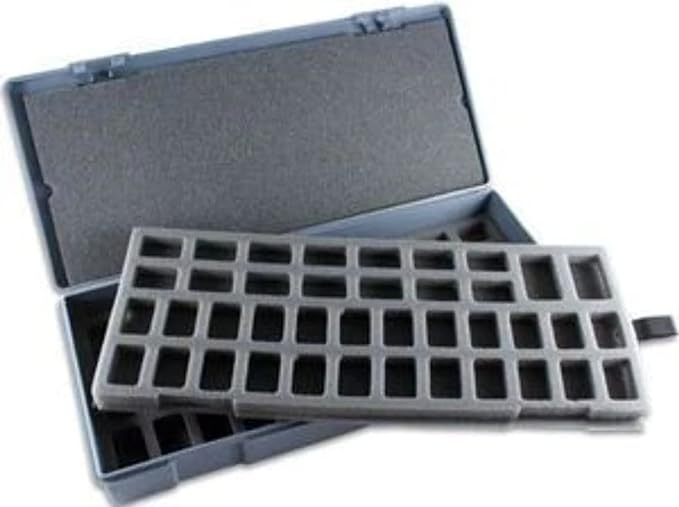
If you are flying to a convention and loading minis in your luggage, we recommend you pick up some Chessex hard cases. Joseph Forster, one of our crew, has flown with them to Historicon and ADEPTICON multiple times with them loaded in his checked bags.
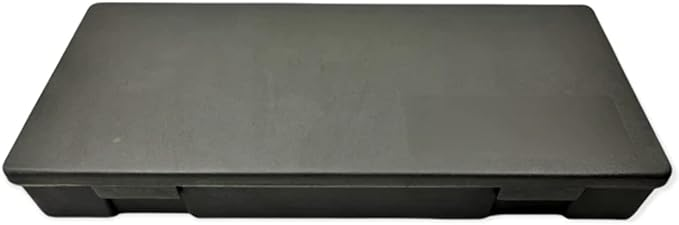
They run about $36 on Amazon and can safely hold 56-80 models. They are advertised as for 25mm models, but they work just fine for the 28mm scale Blood & Plunder miniatures. There are two versions, one with 56 larger slots that work well for the models with lances or buccaneer guns and one with 80 minaitures slots that Joseph uses the 56 capacity case for my Spanish with their Lanceros and Milicianos Indios that tend to take up more room. And the 80-mini cases each for English, French and one for miscellaneous models like the characters, European Soldiers, Sailors etc.
Chessex Miniature Case Product Links:
- 80 Miniature Chessex Case = this fits the vast majority of the units (shown below). You can notch the foam if you need to expand some for weapons
- 56-miniature Chessex Case = this is a good option if you have a lot of Soldiers or Lancero style models with longer weapons.
Feldherr Miniature Cases
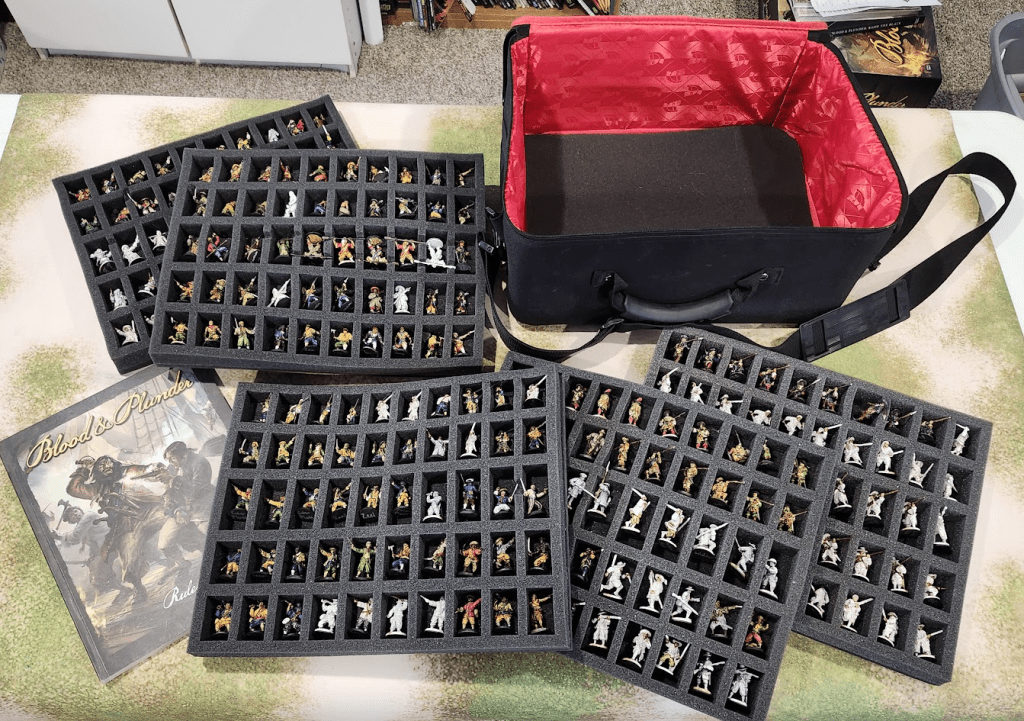
Feldherr Miniature cases are extremely popular products and you can see several players with them at conventions. They come in a variety of sizes and capacities. The general use options are available in a variety of miniature cases and foam insert configurations on Amazon. Alternatively, they have some specialty options for more unique mini storage (more below).
I like the Medium 135 model version for faction specific forces (or some of my other smaller games) and I have a Maxi 250 model miniature bag case for my leaders, fighting men, cannon crews, sailors, pirates, and my primary use minis. I personally like the bags over the boxes because they come with a shoulder strap. It’s super convenient to throw it on your shoulder and still have your hands free to carry your ships, terrain, or other boxes.
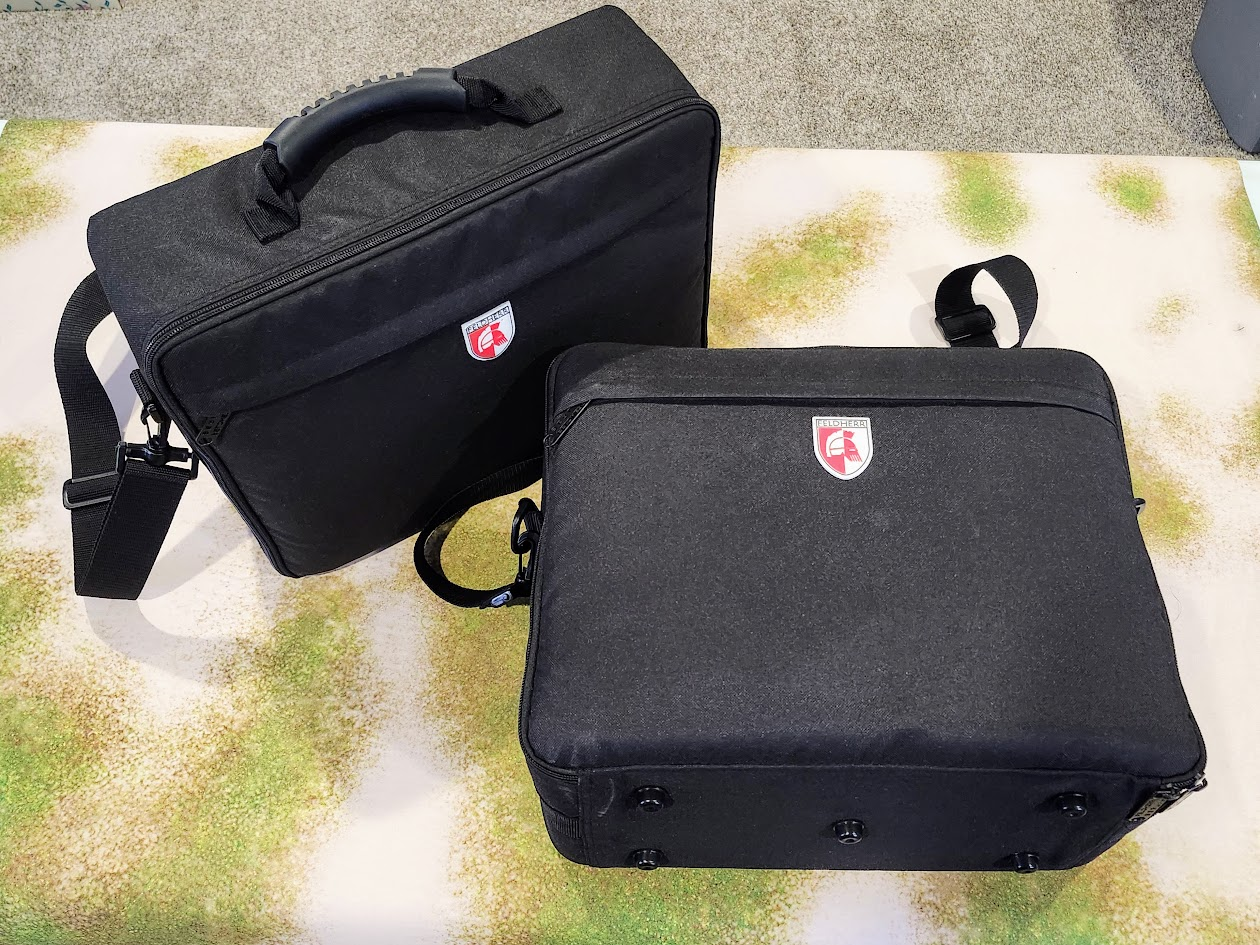
The bags also come with a zippered pocket on the front side that you can slide a rulebook, folder with forces or the cardboard terrain templates in.
Feldherr Miniature Boxes
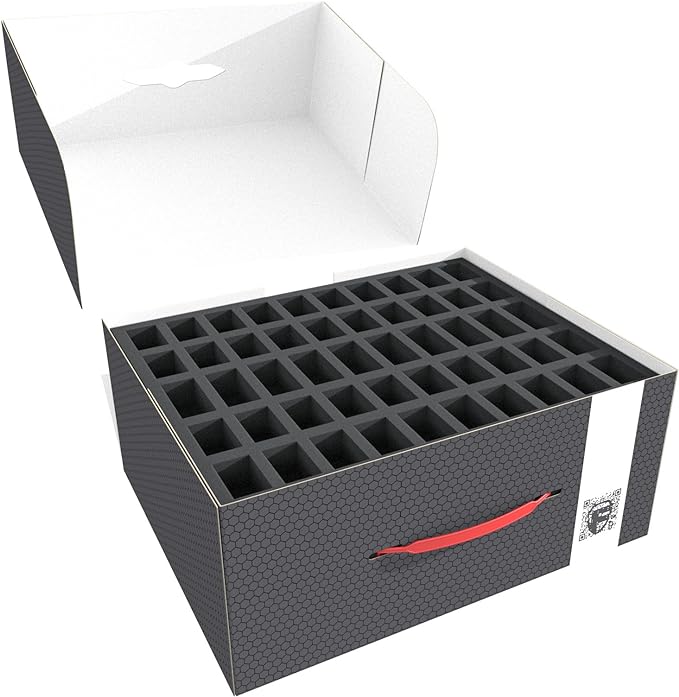
Dan Carlson, one of our staff, prefers the Feldherr transport boxes over the bags. They are less expensive options and they stack nicely if you have multiple of them (I think he’s up to 3 or 4). Some folks organize their collection by faction, so having multiple box sizes so can be a great solution with some savings. The 200 model capacity versions run about $45 apiece.
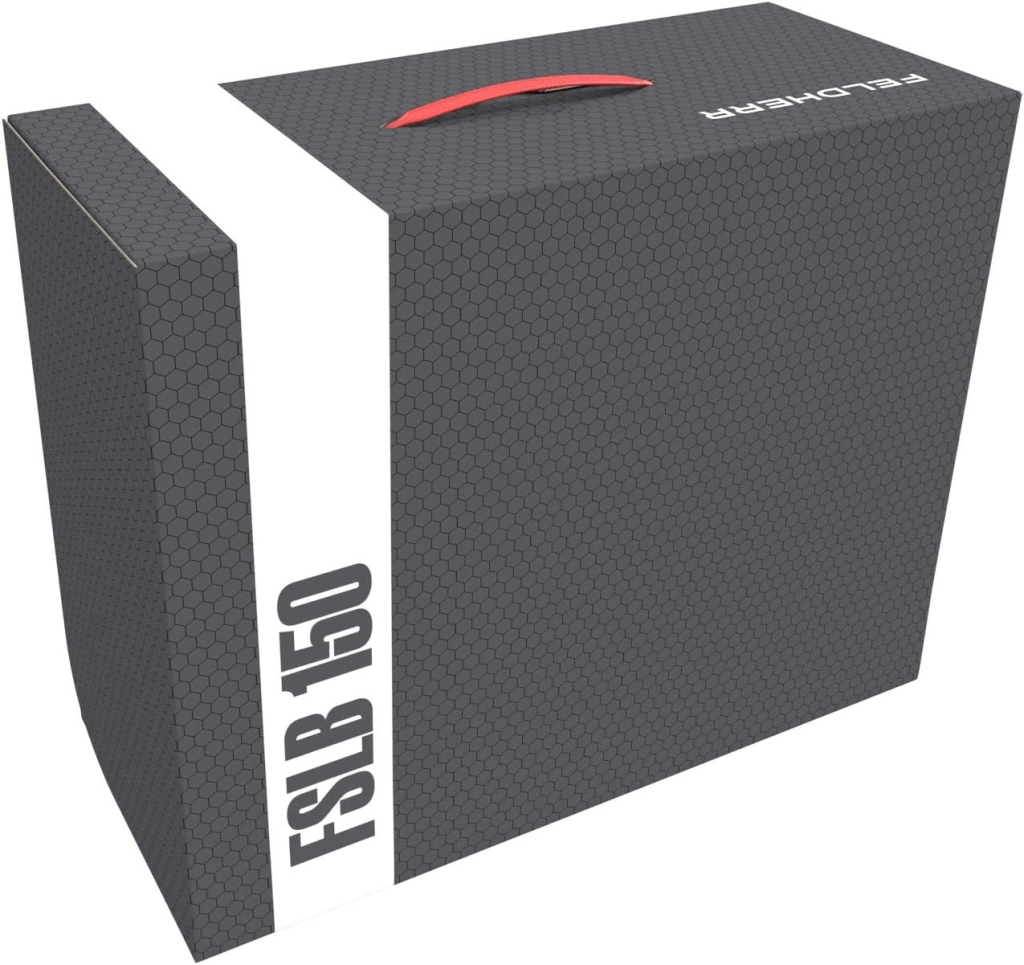
a 200 Miniatures capacity.
Feldherr Ship Storage Foam for Cases
If you order directly from Feldherr they have a special foam insert you can add to your case that works for almost any Size 2 ship. The additional miniature slots in the tray are a little taller so they work for those pesky lance and bayonet models.
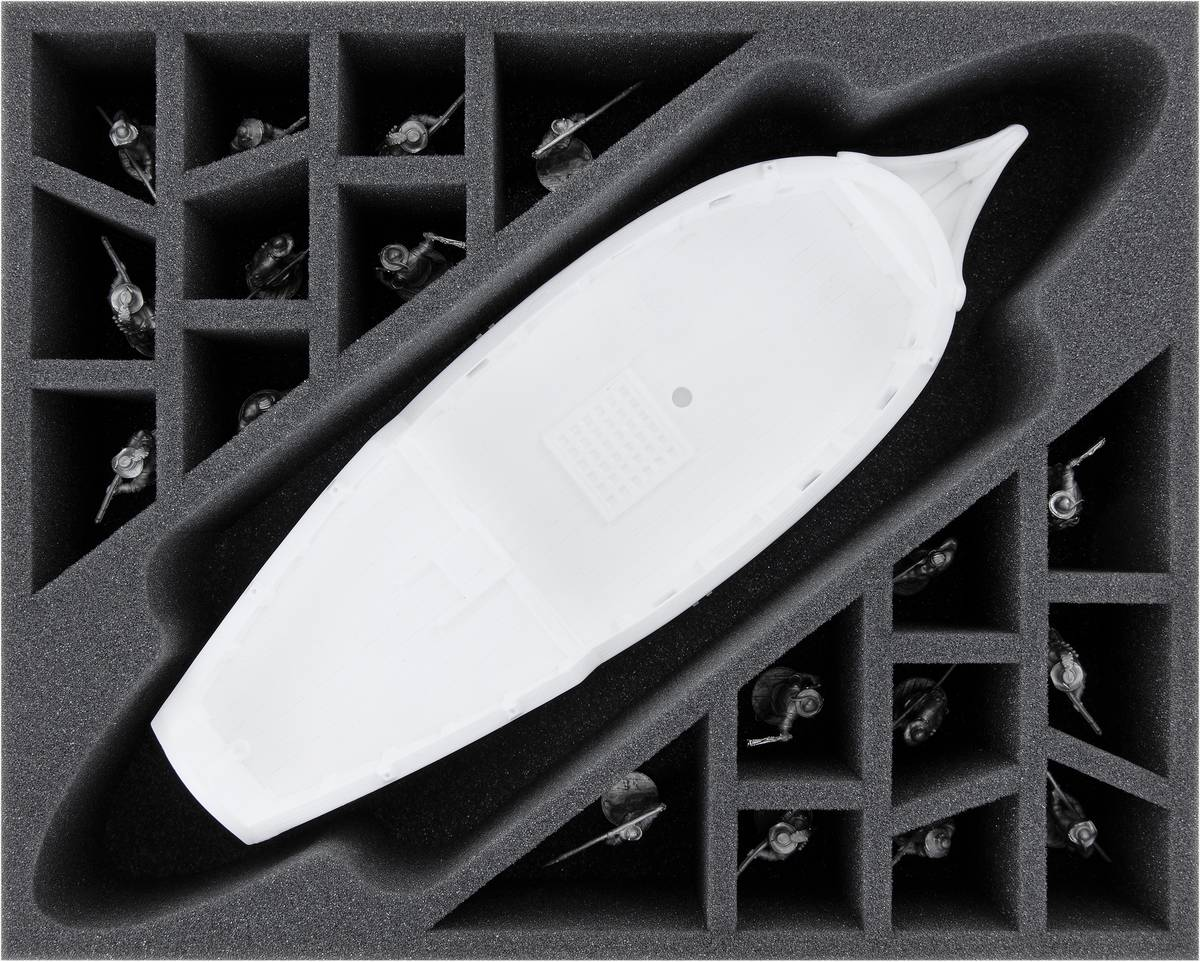
compatible with all Size 2 ships (or boats!) for Blood & Plunder.
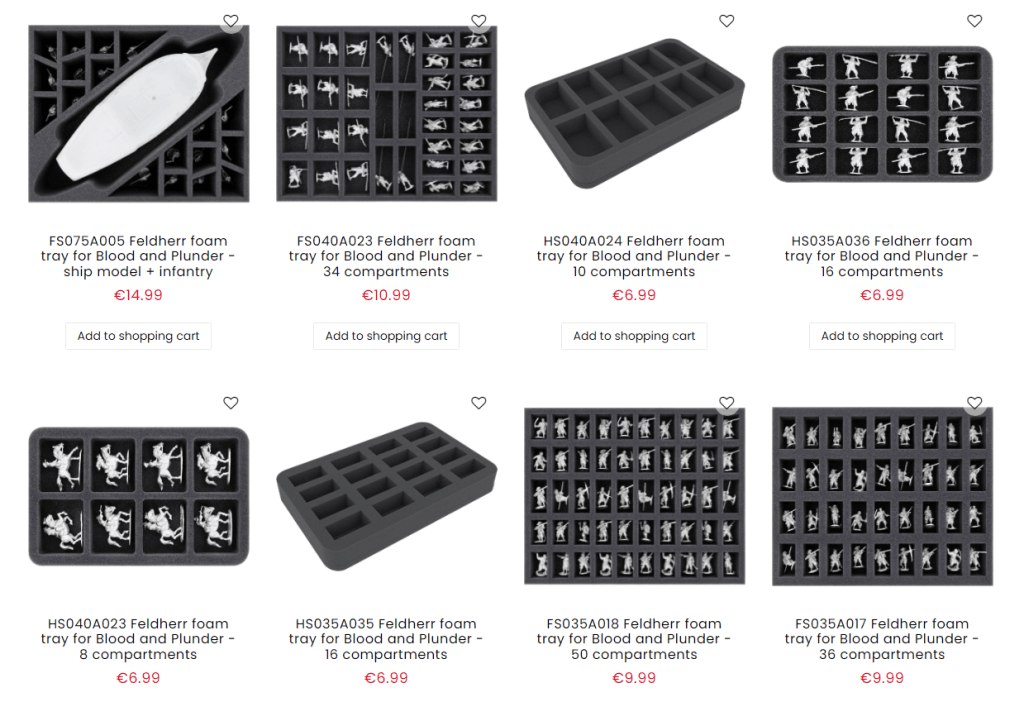
Feldherr has a WIDE variety of foam trays for Blood & Plunder that come in all shapes and sizes. You can pick the bag or box of your choice and then configure the trays to make the perfect case for your minis.
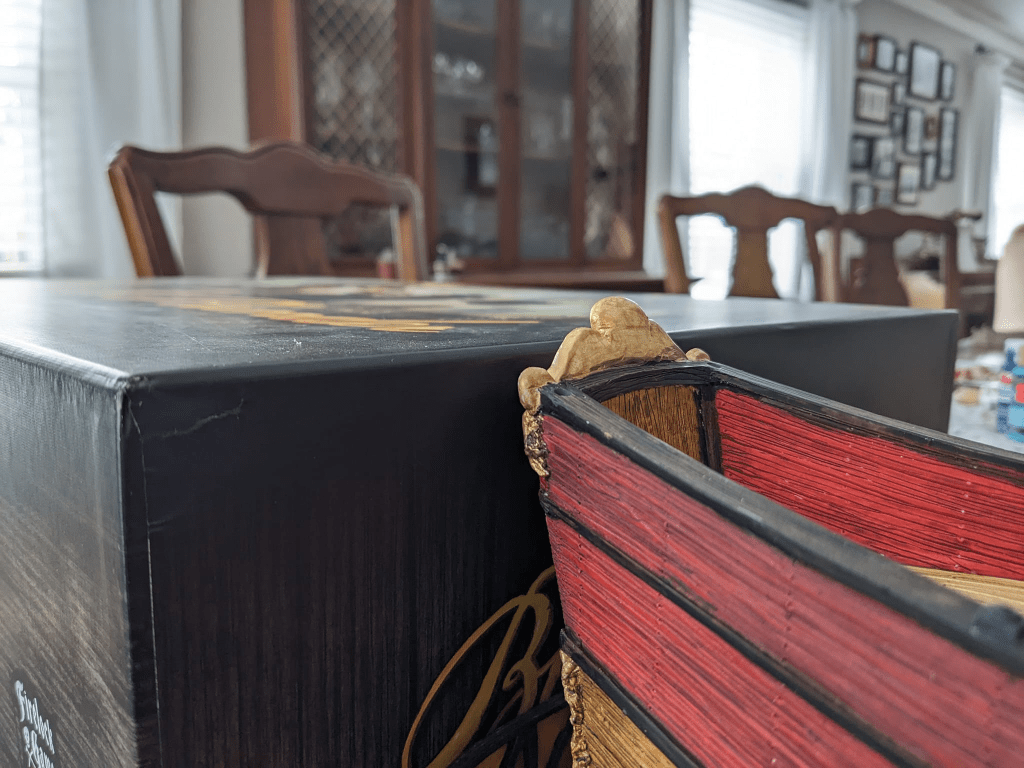
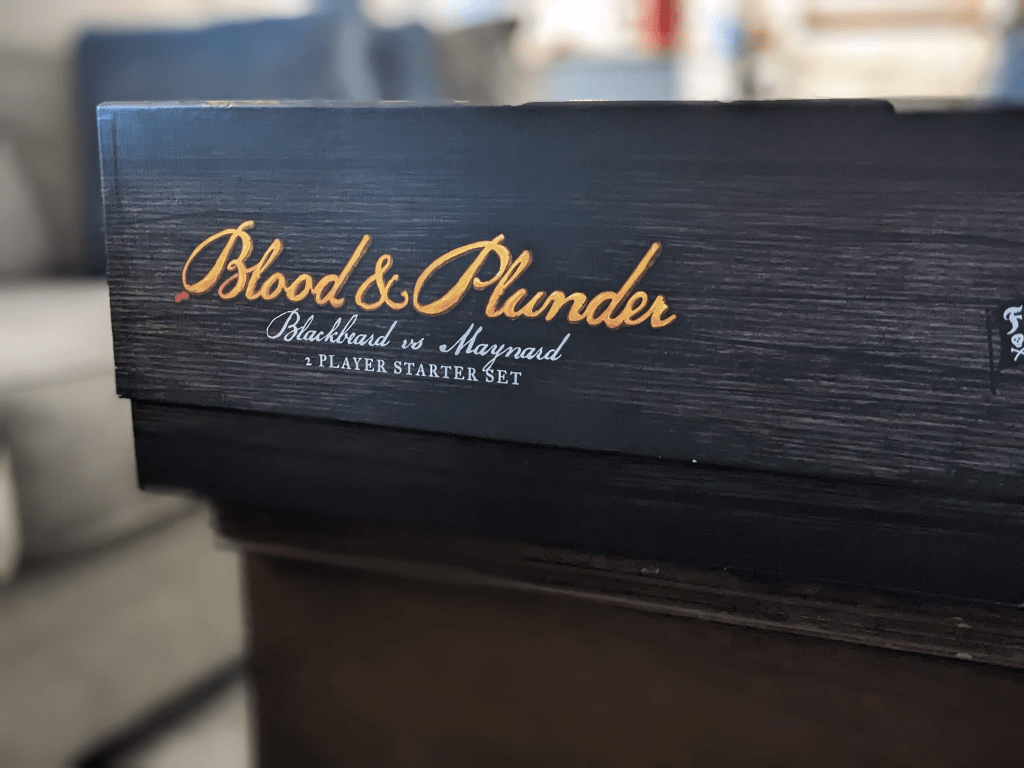
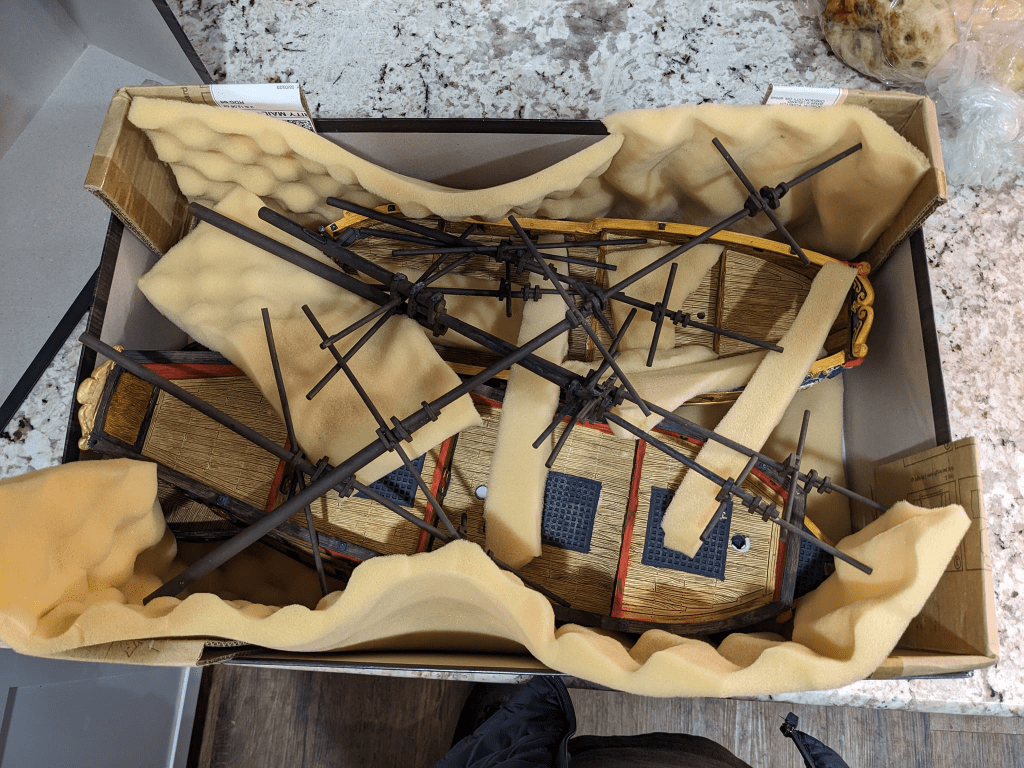
Converting the 2 player Starter Box to a Ship Transport
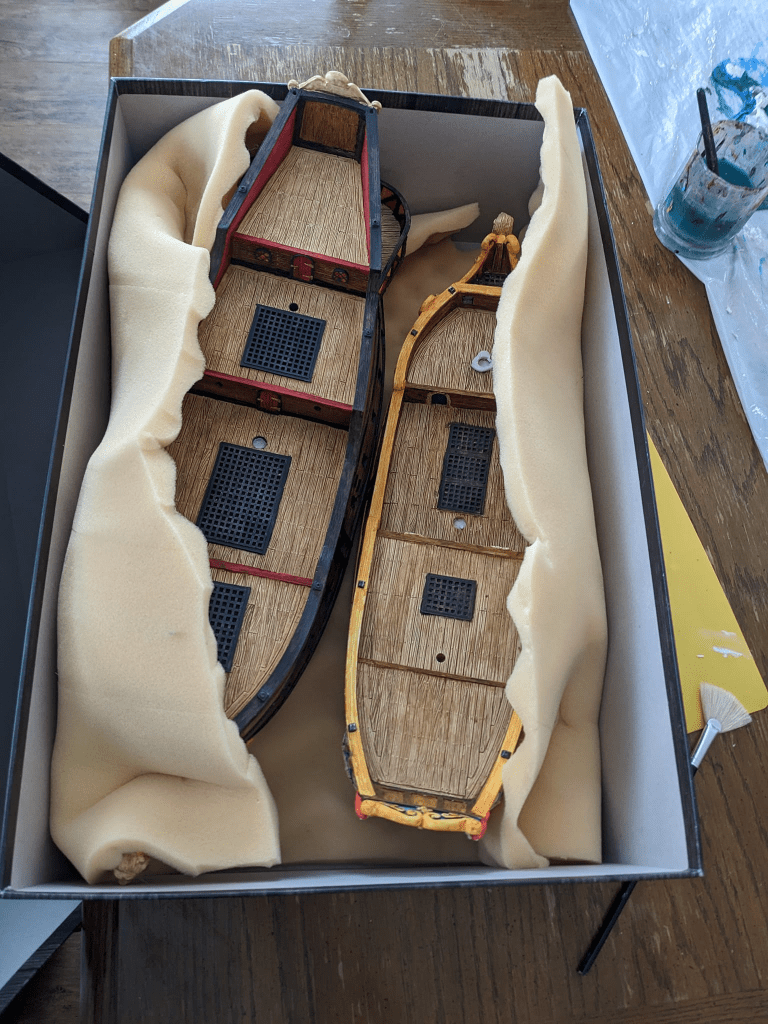
While we don’t recommend it for flying, if you are driving (or just storing your ships locally) we have an inexpensive solution. The two Player Starter boxes can be converted into a ship transport box with some foam and custom inserts.
Tip #9. Time Management is Critical
Tournaments are competitive events and time can be a very critical factor to finishing well. If you run out of time in a round you may not inflict enough Strike Points to win. Again, a good tournament pack should set the round length (typically 90-120 minutes).
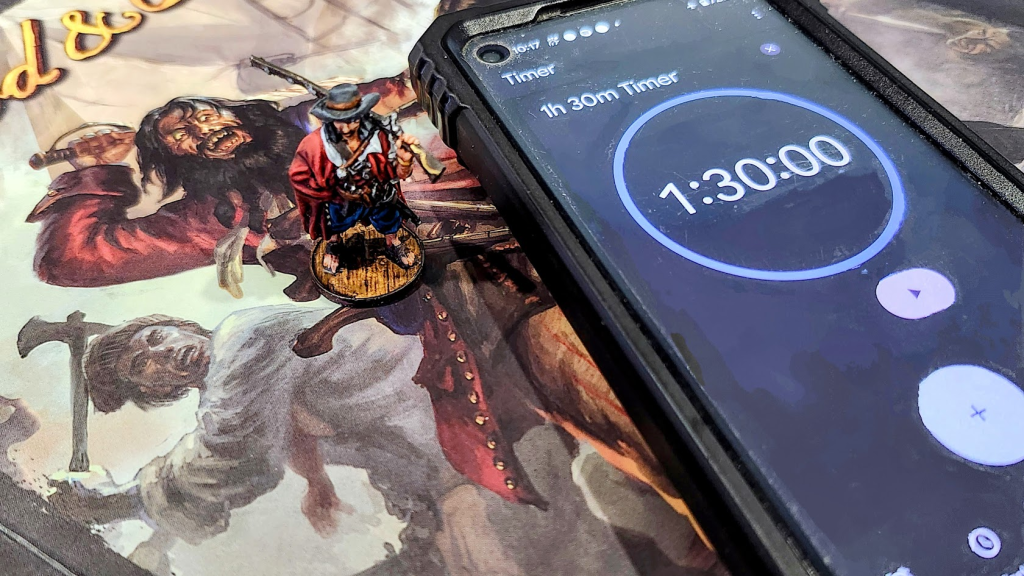
- Set Your Phone Timer. At the start of a round set your phone’s time so you know how much time you have left and don’t have to bug the T.O..
- Pay Attention to T.O. Announcements. T.O.s will typically make an announcement every 30 minutes on the time remaining a game and often the “Final Turn” or “Final Activation” to put in cutoffs.
- Divide the Time in Chunks. Most games are 6 Turns. There are two of you playing so you have 12 “blocks” of time. Take 5-10 minutes off the overall round time for setup and deployment and then divide the remaining time into 6 segments (max # of turns) or 12 ( max turns for each player). By looking at turns in 7-12 minute blocks it keeps you more focused. I you have a large force that means you have to be in borderline speed chess mode.
- Good Time Management Promotes Fairness. Try to complete your turns quickly to ensure both players have equal time for their games, preventing disparities in match durations. Intentionally stalling to run out the clock is poor sportsmanship.
- Adherence to the Schedule Helps Everyone. The time limit keeps the tournament on track, avoiding delays that can impact subsequent rounds and planned activities.
- Minimized Disruptions: Reduce interruptions during matches, allowing players to focus on gameplay without unnecessary stress. Avoid taking phone calls or chatting with friends and not paying attention in general.
- It Helps Overall Event Success: Staying on time ensures the success of the tournament by addressing logistical challenges and creating a positive atmosphere for participants and spectators.
Tip #10. What to Bring
Here’s a quick checklist we put together to make sure you don’t forget to bring what you need.
Blood & Plunder Gear / Packing Checklist
- Core Rule Book
- 2 Printed copies of your force
- Blood & Plunder Quick Reference Guide
- Dice – Enough d10s to roll for all tests your force might make and a variety of colors for mixed weapons is preferred
- Measuring Tape
- Activation Deck
- Reload, Fatigue, and Critical Hit dice or markers
- Smoke/Explosives Templates (if using them)
- Core Rulebook
- Miniatures & Ships
- Fortune Tokens of some sort
- Turning Gauge (Sea tournaments)
- Good sportsmanship!
Optional Items
- The expansion book containing your force (e.g. No Peace Beyond the Line, Raise the Black, Fire on the Frontier)
- Pencil/Pen
- Drinks/snacks
- Tips and gifts for your Tournament organizer… j/k.
- OTC pain killers (e.g. Tylenol, Ibuprofen)
- Phone Charger
- Superglue/Plastic glue, hobby knife, tweezers, repair tools
Tip #11. Take Pictures… but Keep it Quick

Taking pictures in a tournament or convention game is great for preserving memories, aids player recognition, and post-battle analysis. It’s also EXCELLENT for promoting the event and game on social media. The visual documentation enhances player engagement, provides sponsorship opportunities, and facilitates potential media coverage of the gaming event.
However, be mindful that this can delay a game or be distracting for players. Take photos during your opponent’s turn so play is still happening. As a matter of courtesy, you might ask your opponent if it’s ok to take pictures during the game. Some folks aren’t a fan and consider it rude or distracting.
Tip #12. Rest, Stay Hydrated and Bring Snacks
- Sleep or more likely, the lack thereof can affect your gameplay. Conventions can suck your energy and exhaustion levels run high the later it is in the con. Being rested and having adequate sleep before a tournament is essential as it enhances cognitive function, decision-making, and overall performance, ensuring a player’s ability to strategize and execute effectively on the miniature wargaming battlefield.
- Hydration is important. Bring a water bottle, sports drink or other beverage to stay hydrated!
- Snacks. Again long events can be taxing. Snacks give you the chance to refuel without disappearing to try to find food between rounds.
- Take a step away from the table and stretch. Many tourneys are 5-8+ hours long. If you are standing in one place concentrating on an intense game you can wear yourself out without realizing it. Stretch and loosen up to help refocus your thoughts.
- Use the chairs, especially between rounds
- Alcohol. Conventions can be a fun time and some folks enjoy partying a little. On game day the rules vary by convention/store/location. But regardless of the rules, it can affect your gameplay. Enjoy it, but use it responsibly. Nuff said.
Tip #13. Engage Your Opponent
Remember, you’re all there to have fun and enjoy the game of Blood & Plunder. Just because it’s a competition and just because some pirates are cutthroats, doesn’t mean you have to be.
- Don’t be afraid to make small talk before the game starts. If you’re nervous, asking simple info like your opponent’s name and where they are from will humanize them.
- Extend a handshake, fist bump or a friendly gesture before and after the game.
- Witty banter between players is common in any competitive sport or game. Roll with it and have fun. But be respectful and don’t hit below the belt or be inappropriate.
- If you have a question or are confused on a rule, ask your opponent, most people are happy to help clarify things.
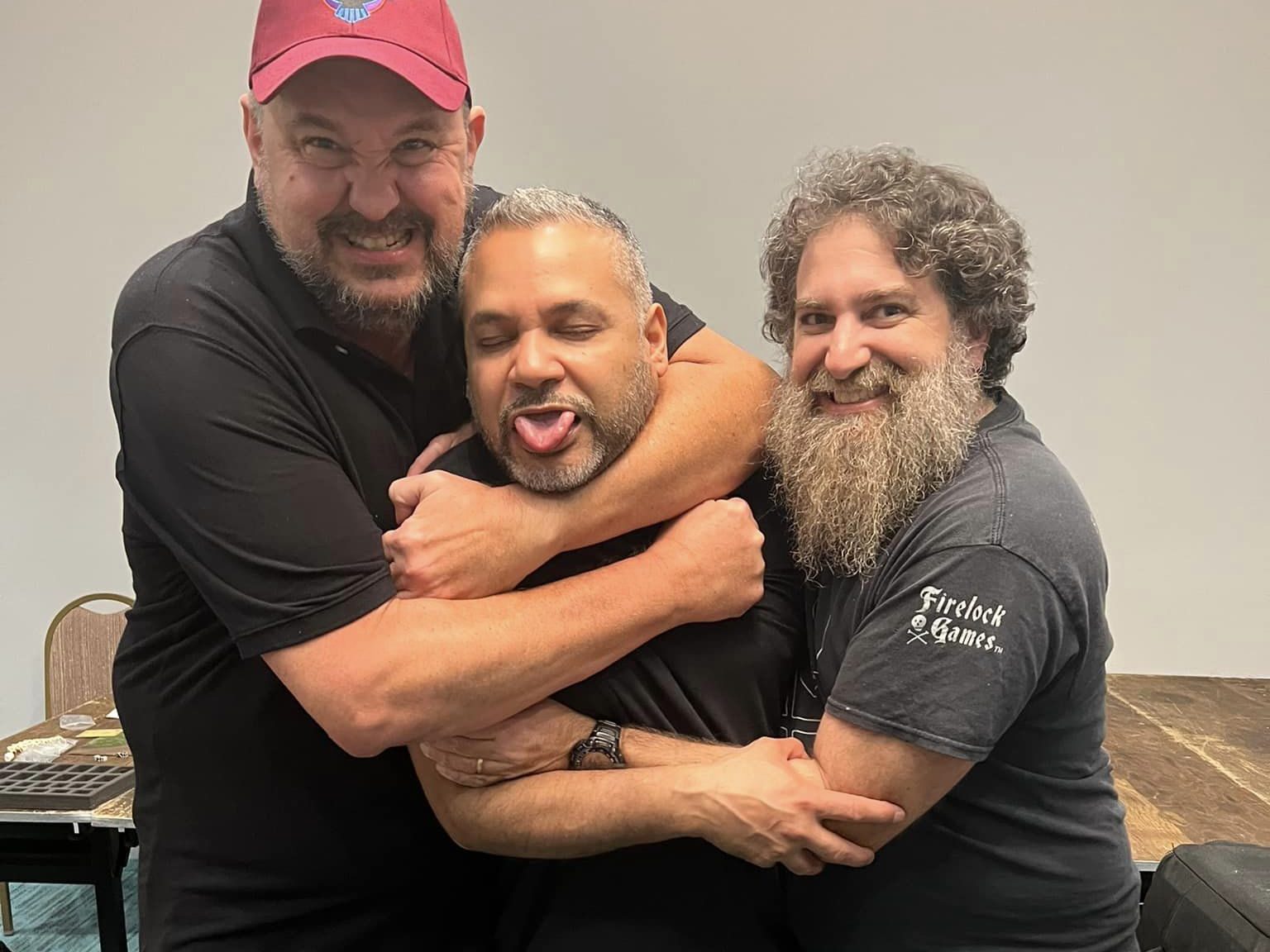
It’s not “quite” what I meant. But memories were made among friends.
Tip #14. Sportsmanship
When playing in a competitive environment it is possible to forget that the purpose of playing games is to have fun. Here are a few quick suggestions and comments on sportsmanship.
A Few Tips on Good Sportsmanship
- Show Respect and a Positive Attitude. Display respect for opponents, their choices, and the rules of the game. Stay positive, avoid negativity, and handle challenging situations with grace.
- Share Knowledge and Promote a Friendly Atmosphere. Helping new or less experienced players, fostering inclusivity in the gaming community. should be a badge of honor. Share your hobby knowledge and contribute to creating a friendly and welcoming environment.
- Avoid Rules Disputes, Respect Personal Boundaries, and Apologize if Necessary. Wargames can be complicated affairs and there are lots of nuanced rules. Clarify rules politely and refer to rulebooks when necessary, avoiding arguments. If you can’t resolve the issues, ask the T.O. for help. Or if it’s a minor issue and you don’t care, roll off to determine the outcome and move on.
- Be mindful of personal space and avoid disrupting others. If you make a mistake or unintentionally cause a disruption, apologize and rectify the situation as needed. This isn’t chess or golf, but some people don’t like a lot of noise so be mindful of it.
- Learn from Mistakes. Losses are opportunities for improvement, reflect on mistakes and strategize for future games. Losing is not the end of the world. You’ll have other rounds to catch up. And even if you don’t, keep trying rather than throwing games to just be done.
- Remember your T.O.s. The majority of Tournament Organizers are volunteers. They gain near nothing for hours of preparation, setup and work to make the events happen. Make sure to thank them for their efforts. If you are playing at a game store, make sure to thank them with your patronage. Yeah, maybe you can get an item a little cheaper online, but you are playing in person. Consider your purchase a thank and a tip for good service.
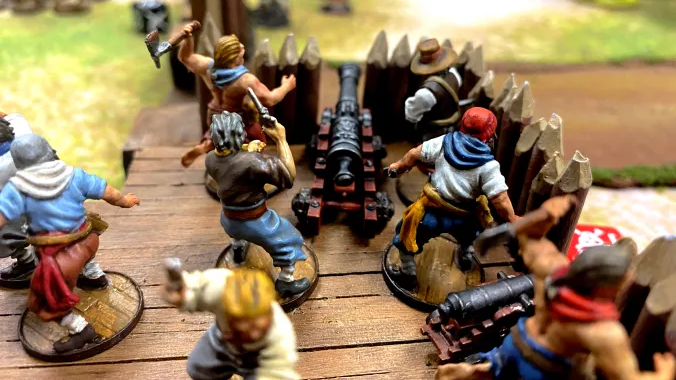
Tip #15. HAVE FUN!
- Sometimes people get overhyped and anxious about competitive play. That nervous energy can lead to mistakes or undue stress. DON’T PANIC. The Blood & Plunder community has been among the most friendly and respectful out there. We’re here for a good time.
- Remember, it’s just a game. Yes, we all want to win, but at the end of the day, it’s a game. If you lose, don’t sweat it. Every game is an opportunity to lose and improve.
- When the tournament’s over, you’ll hopefully have new friends and be able to put a face to the names you may have seen online. It’s a great chance to foster community and bridge those long-distance gaps that exist online.
Conclusion
There you have it, my Top 15 Tips for preparing for your next wargaming tournament. Whether it’s your first time diving into a Blood & Plunder tournament or your 12th, they can be both exhilarating and rewarding. Proper preparation is key to ensuring a successful and memorable experience. From familiarizing yourself with the rules and unit special rules to taking the time to strategize, engage with the community, and, above all, savor the unique blend of historical immersion and tactical gameplay that the Blood & Plunder tournament promises.
And no matter what the level of your success in the tournament, is, it will likely spur you into doing more modeling, painting, and playing the game than your norm. Hopefully, the entire process will be a rewarding experience. We hope to see you at a tournament in the future and good luck in your upcoming venture!
Written by Jason Klotz
Pingback: Adepticon 2024 Blood & Plunder Sea Tournament Packet - Blood & Pigment
Pingback: 2025 Adepticon Sea Tournament - Blood & Pigment