by Dan Carlson
Have you ever wanted to host a pirate themed party or get-together but wanted to know what kind of food you should serve? Have you been elbow deep in books and movies from the 17th and 18th Century and wanted to know what these fearless pirates and buccaneers ate? Has reenactment immersion been ruined because instead of period food, you got McDonald’s? If the answer to any of these questions is “Aye aye!” then you have come to the right place!
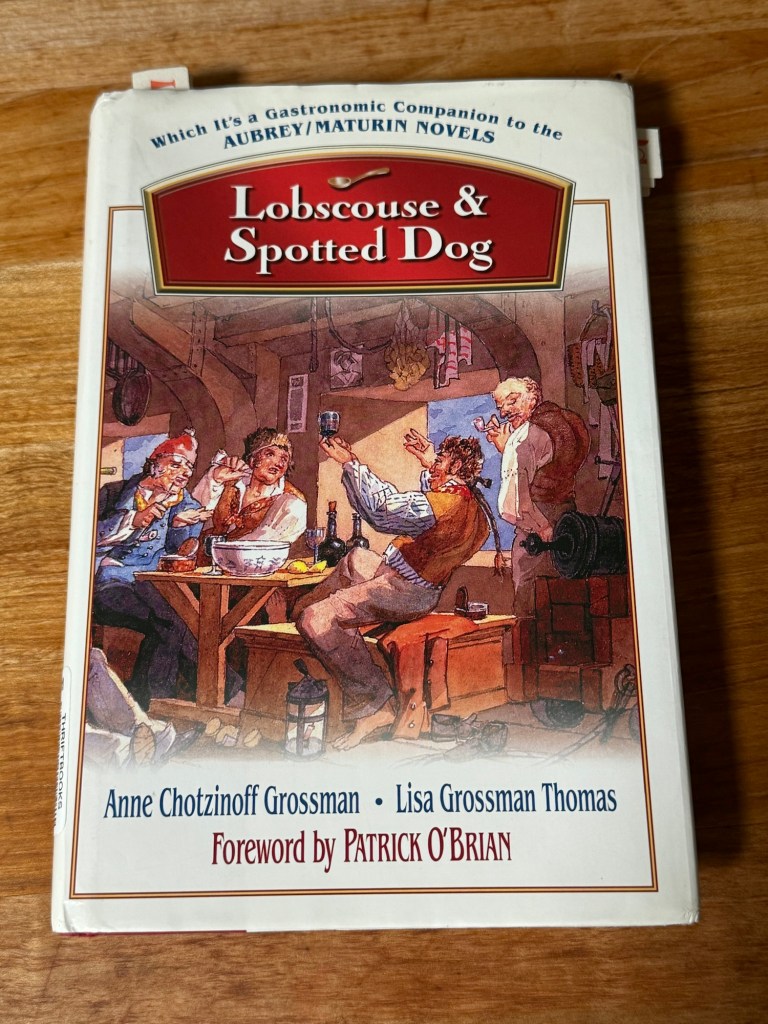
This is the start of a series of articles covering food and drinks from the era of Blood and Plunder. We will explore food and beverages that pirates, privateers, and professional navies ate on board there vessels. Occasionally, we may venture onto land to explore tavern fare for when sailors returned with their plunder or wages (assuming they had any). All sources used for each entry will be at the bottom of the page.
What is a Flip?
A Flip is a beverage that is made with alcohol, sugar, spices, and eggs that is typically mixed between two glasses (it is “flipped” between them) that was popular from the 17th-18th centuries. The drink was most popular in English (and later American) port towns and taverns. Typically, after the drink was run in between the two vessels, a piece of wrought-iron left in a fire would be used to reheat the drink, contrasting some of the rich sweetness with some burned flavors.
The Recipe
The recipe for this particular Flip comes from Lobscouse and Spotted Dog by Anne Chotzinoff and Lisa Grossman Thomas. This book is a companion cookbook to Patrick O’Brian’s Aubrey/Maturin book series. The series follows Royal Navy Captain jack Aubrey and his Irish Surgeon and British intelligence agent Stephen Maturin as they navigate the Napoleonic Wars. A fantastic movie based off of several of these books was released in 2003 as Master and Commander: The Far Side of the World. The recipe is pictured below:
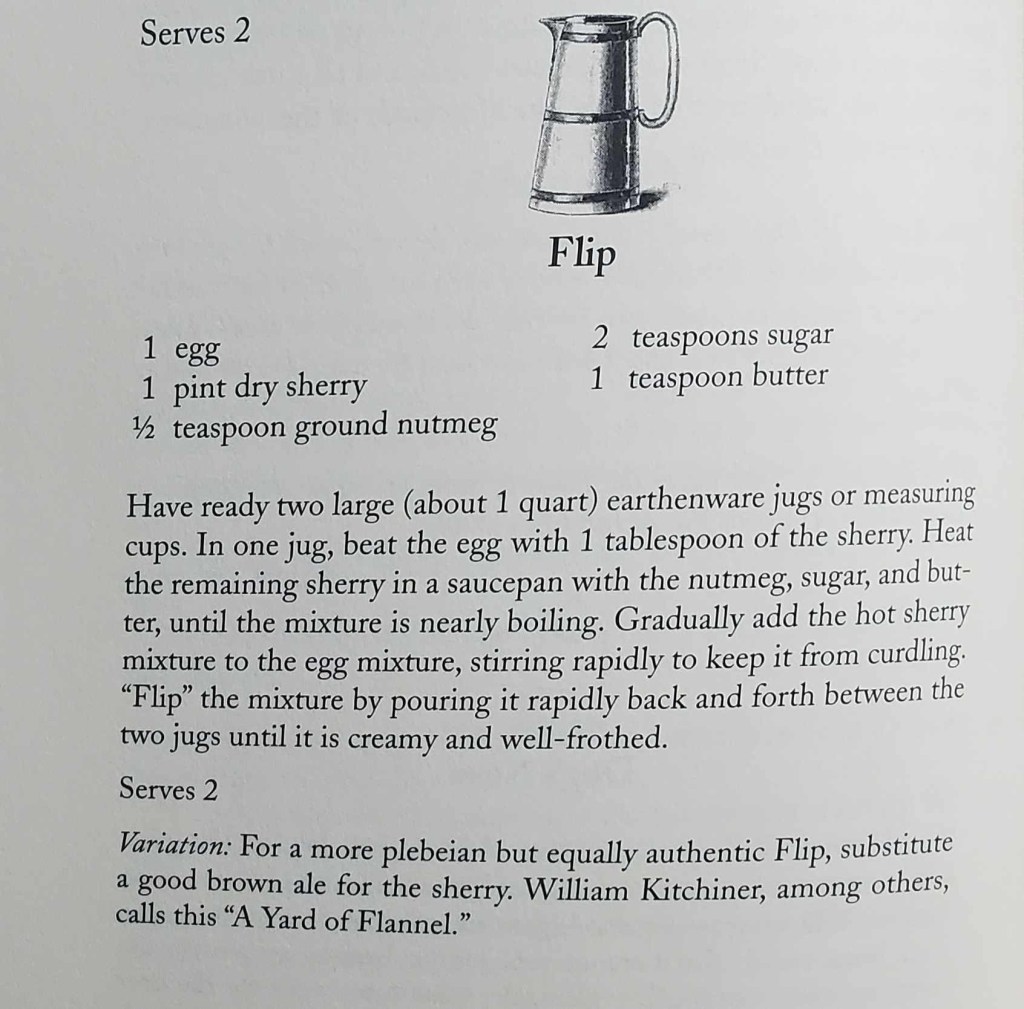
If sherry isn’t your thing, you can replace the sherry with ale, and add rum, brandy, or whiskey. If you choose to take this route, use about 12 fluid ounces of ale, and then 4 fluid ounces of your preferred spirit. Should you choose to use sherry, make sure it is proper sherry and not cooking sherry. Cooking sherry has a different flavor and it will not be pleasant!

If you are a greedy sailor and don’t want to make enough for two, simply half all measurements save for the butter and egg. For those wanting a more historical flavor, we recommend you use raw sugar. If raw sugar isn’t in your pantry, you can opt for a 50/50 mix of brown and white sugar.
Preparation
Put a saucepan on the stove and begin heating the sherry on medium-high heat (on ours I opted for 7). Make sure to reserve about 2 oz of sherry to beat in with the eggs.
Then, add the sugar, nutmeg, and butter to the sherry while it heats, stirring occasionally to try and get everything incorporated. While the sherry heats, beat the egg in a bowl and mix in 2 oz of sherry. The goal is to beat the egg thoroughly so once it comes in contact with the hot wine you don’t have little flecks of cooked egg white in your Flip!
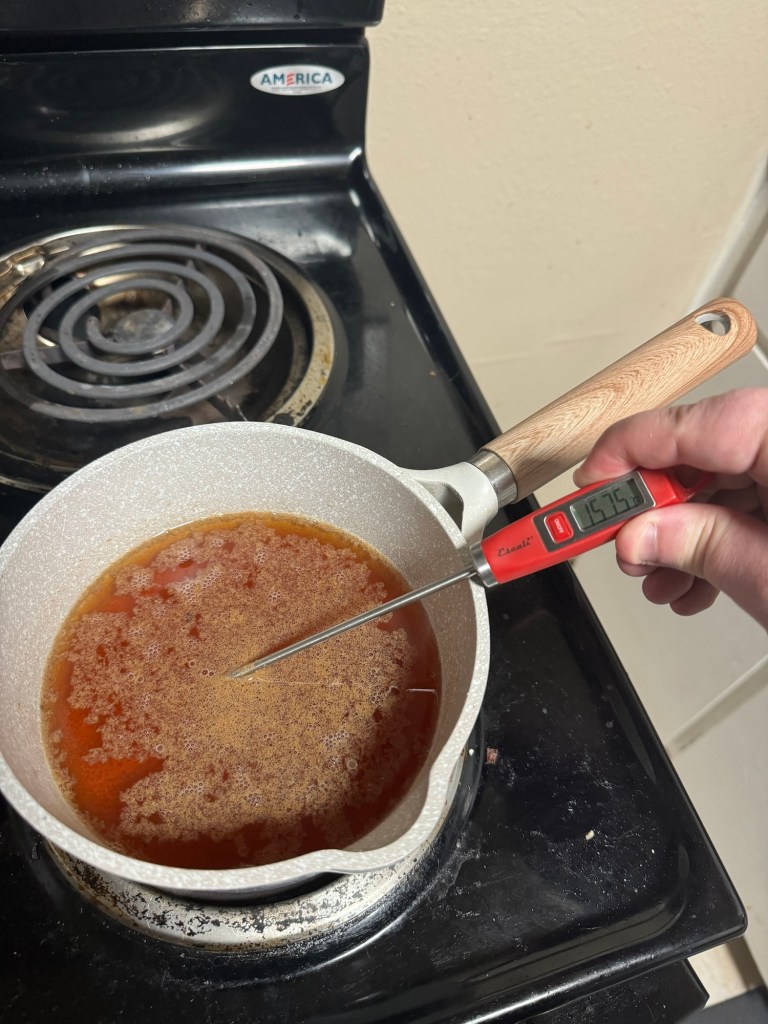
If you have a thermometer, once the sherry mixture is heated to 150-160 degrees it is ready. Slowly drizzle in some of the hot sherry in with the egg mixture and whisk/beat continuously to temper the eggs and prevent scrambling.

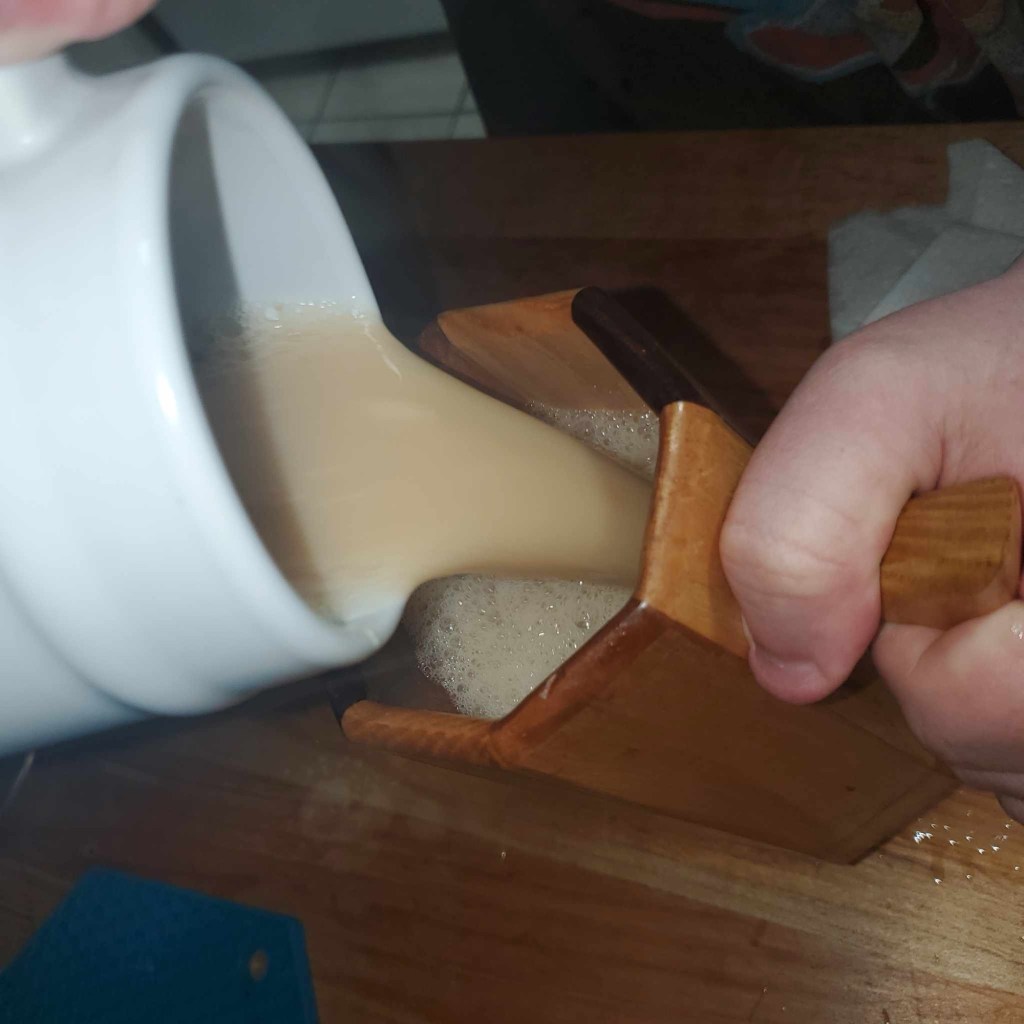
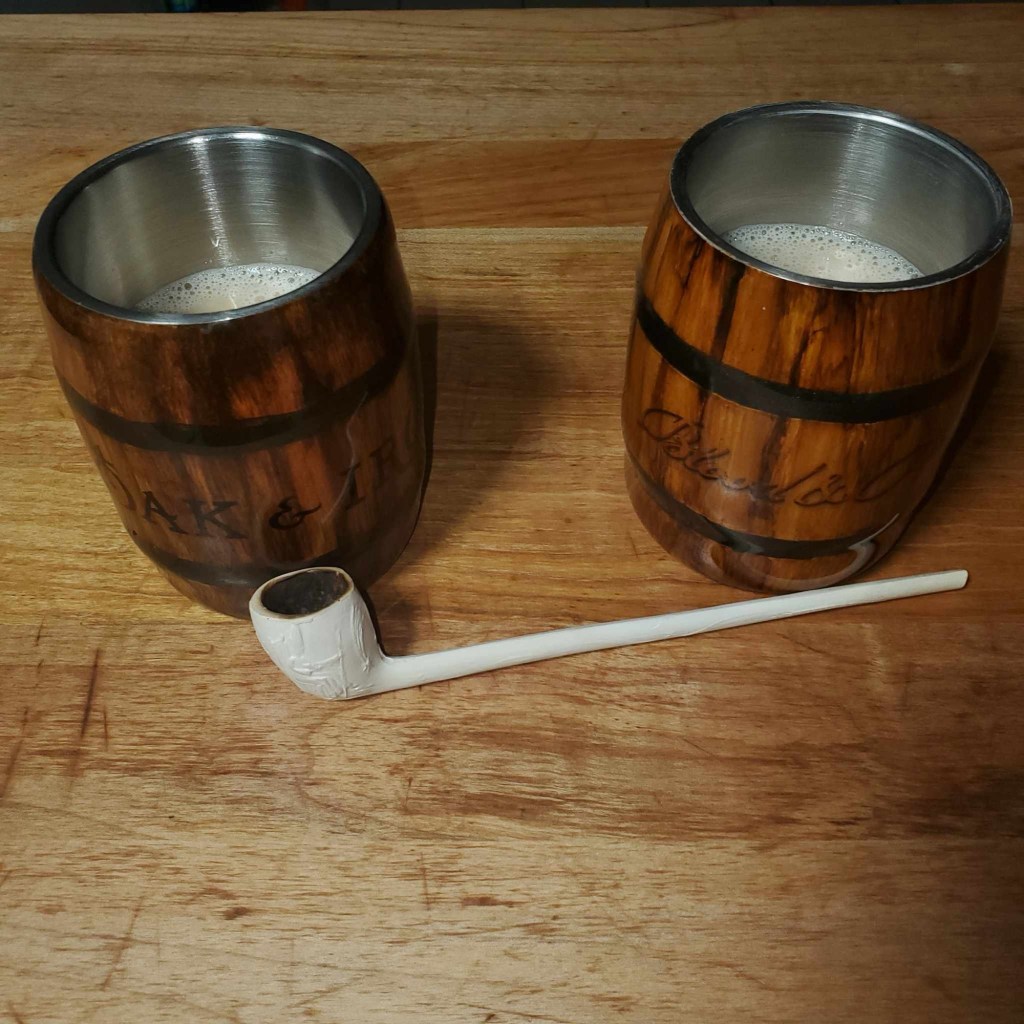
Once the egg mixture and the hot sherry are fully incorporated, pour the drink into a large cup or glass (something heat proof!) and then pour it between another cup or glass of similar size. Do this several times until the drink becomes frothy and creamy. Once finished, if you would like to re-heat the beverage in the microwave, you may do this so long as the vessel it is in is microwave safe!
How does it taste?
This particular flip is very spirit forward, and is quite potent! Both my fiancé and I noticed immediately that while the flip was slightly sweetened, we both opted to add more brown sugar to taste. If wine is not something you enjoy, we would recommend going with the ale + liquor route. The only other thing we would have done differently is add more butter to get a creamier texture. We hope you enjoyed this brief venture into gastronomy, and encourage you to try this drink!
Sources:
Lobscouse and Spotted Dog by by Anne Chotzinoff and Lisa Grossman
Bailey, N. (Nathan) (1763). An universal etymological English dictionary. Lincoln Financial Foundation Collection. London : Printed for T. Osborne [and 27 others]. p. 348.
Pingback: From the Galley to the Shore: Ship's Biscuits - Blood & Pigment
Pingback: From the Galley to the Shore: Lobscouse - Blood & Pigment
Pingback: From the Galley to the Shore: Boiled Plantain and Heritage Cornmeal: Spanish Rations! - Blood & Pigment